Empowering communities through targeted, localized interventions in Amunigun, Ibadan. Bridging policy intent and lived reality—one ward at a time.
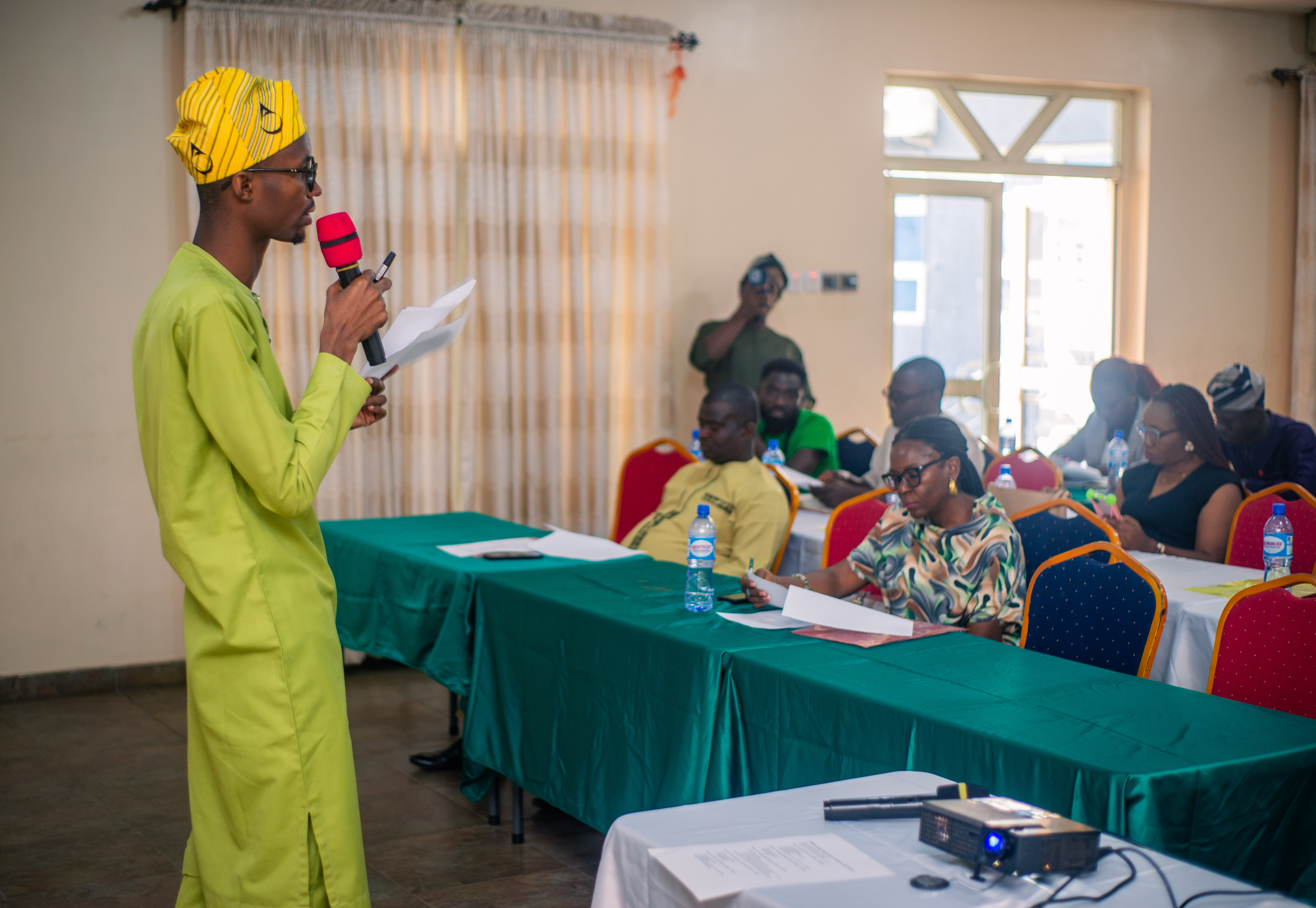
The Ajibola Oladiipo Foundation was established not in a conference room, but in the streets and compounds of Amunigun—one of Ibadan's most densely settled communities. We exist because we saw a gap between what policy promises and what communities actually receive.
We are not advocates waiting for change. We are designers, testers, and implementers. Every intervention we launch is grounded in field data, iterated against real outcomes, and evaluated by the people it serves.
Our approach is intentional: start local, build systems that work, then scale what is proven. Amunigun is not a pilot location—it is our home. The credibility we earn here, we carry outward.
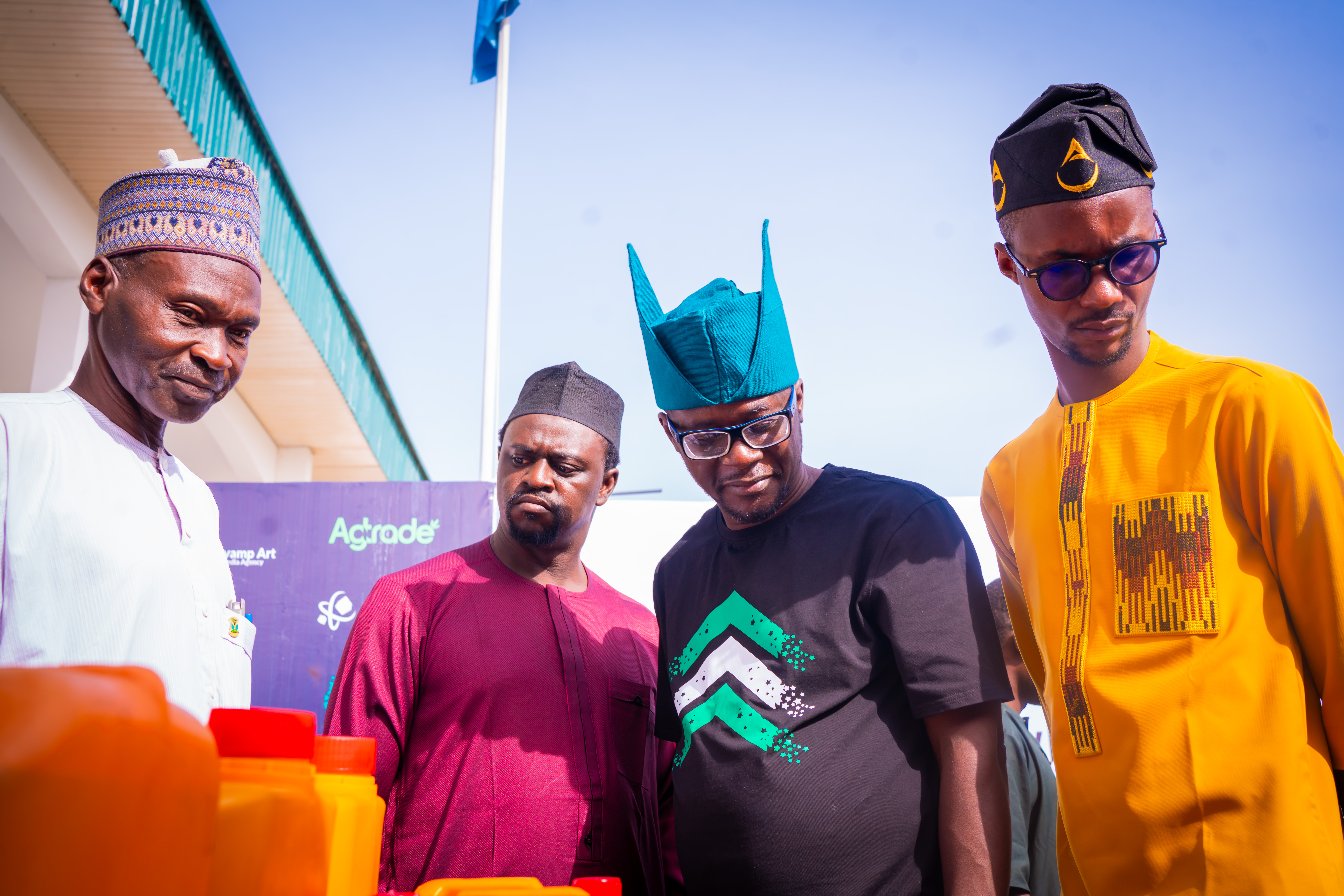
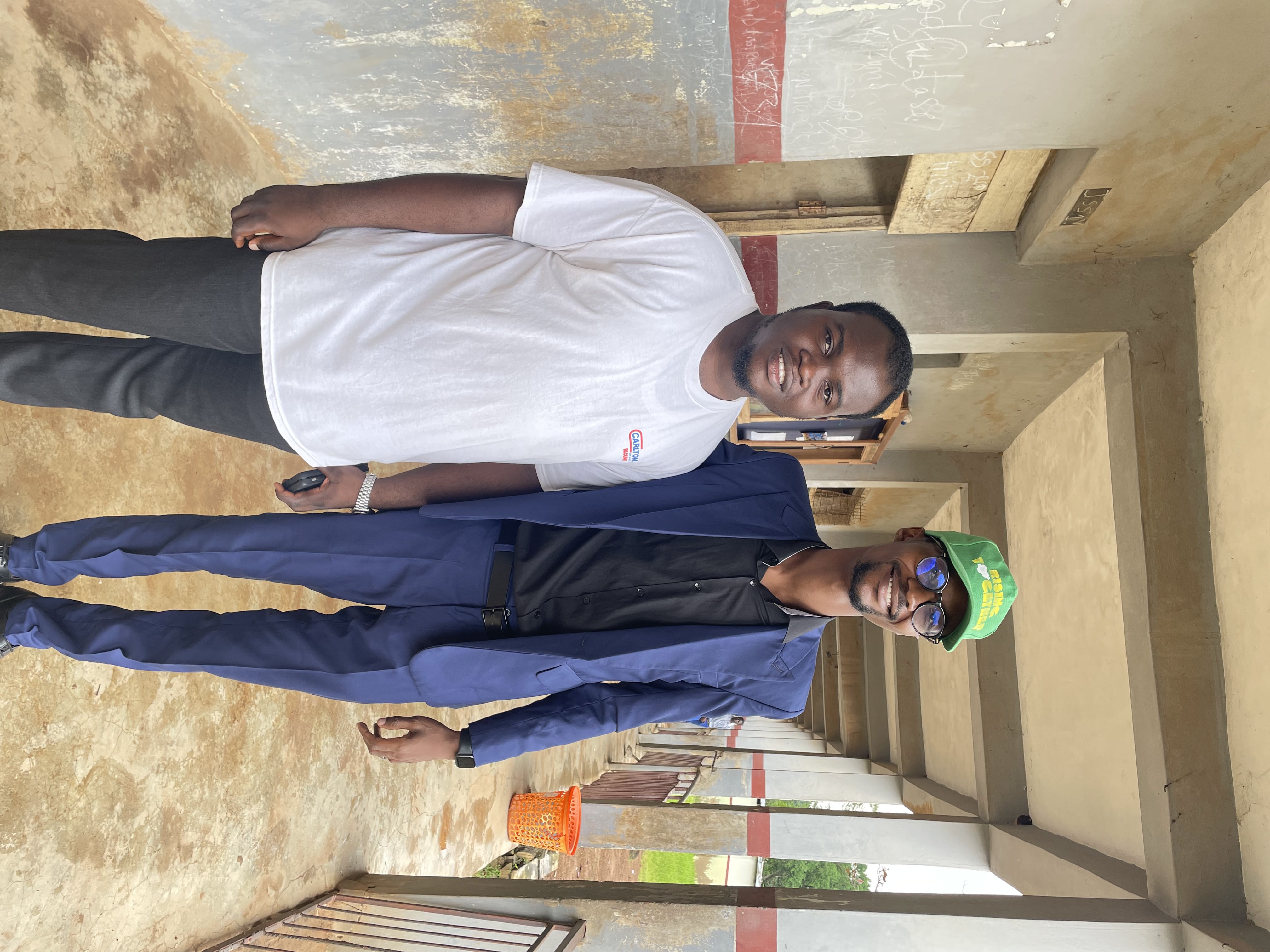
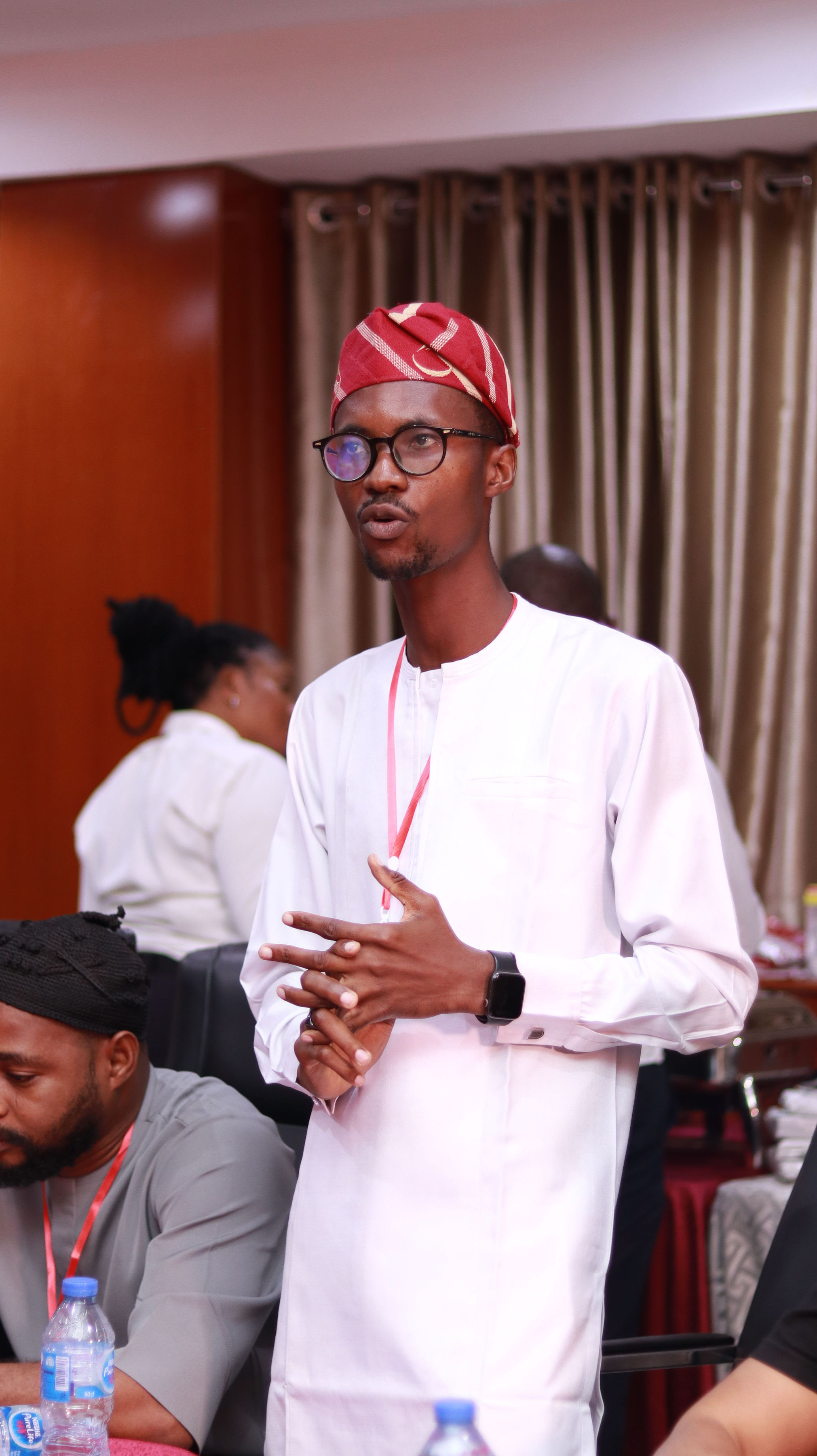
Every program we design sits within one or more of these foundational domains. Together, they constitute our theory of integrated community development.
Preventive health access, clean water infrastructure, and community sanitation programs targeted at reducing disease burden in underserved wards.
School support initiatives, scholarship linkages, and structured mentorship programs connecting young people to opportunity and professional networks.
Vocational training, skills mapping, and enterprise support for youth and women—building economic resilience at the household level.
Flood risk mapping, waste management pilots, and community-led environmental awareness programs that reduce vulnerability to climate stress.
Hybrid Civic Intelligence & Intervention System
Oyo State has 351 wards. Project 351 is our systematic framework to understand, map, and intervene across every one of them. With 75 trained field volunteers, we are building the most granular community intelligence network in the region—translating raw data into funded, operational programs.
Volunteers conduct structured household surveys, community observation, and key informant interviews across priority wards. Data is captured digitally and validated in real time.
Field data is synthesized into ward-level need assessments. Priority gaps are scored, mapped, and reviewed by the Foundation's program committee before any resource is committed.
Approved programs are deployed with local partners, monitored monthly, and evaluated against measurable outcomes. Successful pilots inform state-level policy submissions.
Mobile health screening units deployed in 6 wards. Partnered with local PHCs to improve referral pathways and reduce out-of-pocket costs.
School enrollment, retention support, and school kit distribution for 450+ students across Eleyele-area schools. Remediation classes launched in 4 public primaries.
Labour force census underway across 12 wards. Skills gap data will inform targeted vocational training curricula launching Q3 2026.
Flood vulnerability mapping of low-lying settlements. Community early-warning systems being co-designed with ward representatives.
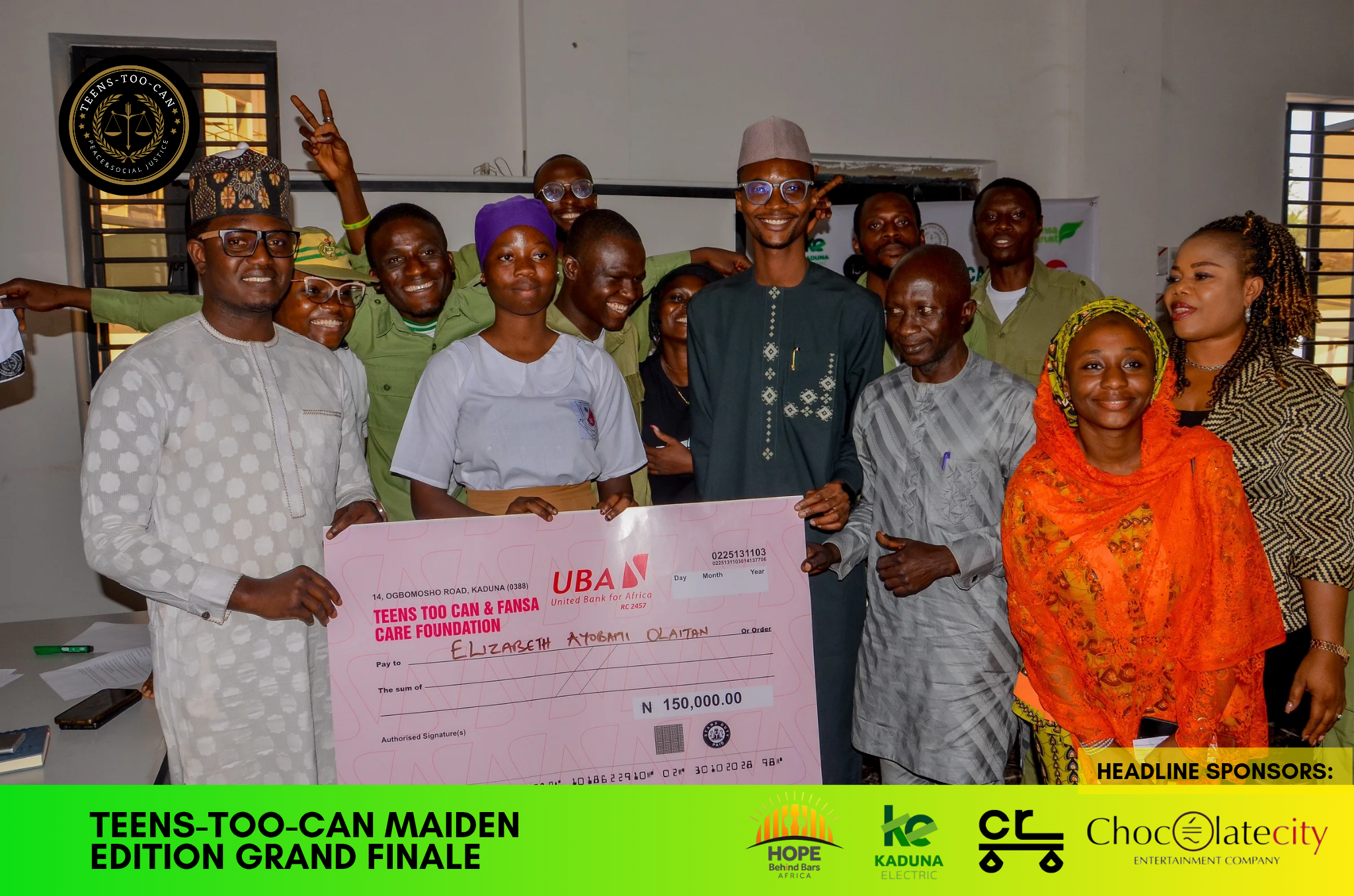
Supporting youth-led civic competitions and rewarding excellence in social justice awareness among Nigerian secondary school students.
Our volunteer corps are trained, briefed, and equipped—not ad-hoc. Every volunteer follows a structured protocol, reports into a coordinated data system, and is compensated for their time and expertise. We believe civic participation should not be exploitative.
These are not curated success stories. They are real accounts from real people whose daily lives shifted because a programme showed up and did what it promised.
Before the health screening came to our compound, I had not seen a doctor in four years. They found my blood pressure was dangerous. Today I am on treatment and I check in every month. That programme saved my life.
When the new session started, my parents had nothing to buy my books or even a biro. The Foundation brought bags, notebooks, pens—everything. I was so happy I cried. I went to school the very next Monday and I have not missed a day since.
My older sister said I would probably have to repeat the class because there was no money for materials. Then the Foundation came to our school with kits for all of us. I got books, pencils, everything. It felt like someone saw us. I passed to the next class.
Honestly, before they came to the school I did not think university was something for people like me. My father is a welder and we are many children at home. But the Foundation sat with me, explained JAMB, explained post-UTME, explained everything step by step. Now I am in the JAMB preparation programme they organised. I am studying Government and Economics. I want to study Law. They made me believe it is possible.
I am a tailor. The skills programme connected me to a bulk buyer in Lagos and helped me register my business properly. My income tripled in six months. Now I am employing two apprentices from this same neighbourhood. I did not need a loan—I needed the right introduction and someone to take me seriously. That is what the Foundation did.
Our funding model is deliberately diversified to protect our independence and operational continuity. We draw resources from three streams:
Individual giving from residents, alumni, and local businesses who understand the work because they have seen it with their own eyes.
Nigerians and friends abroad who wish to invest directly in verifiable, accountable community impact back home.
Revenue generated through Foundation-linked enterprises that employ community members and reinvest earnings into programs.
Every naira and dollar goes directly to field operations. No administrative bloat.
Partner With Us →For partnerships, media inquiries, volunteer interest, or general questions about our programs.